
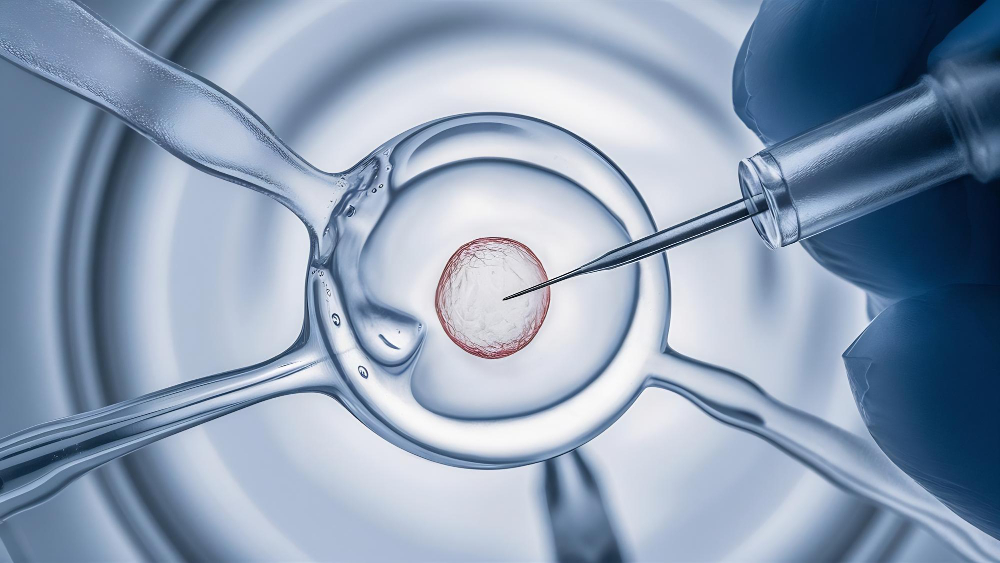
What Is Frozen Embryo Transfer?
Frozen Embryo Transfer is a common step in fertility treatments like IVF. During this process, doctors use embryos that were created earlier and then frozen for later use. Many couples consider this option when exploring IVF options. Not only does it give more flexibility, but it also allows time for the body to recover after egg collection.
How Does Frozen Embryo Transfer Work?
First, eggs are collected from the ovaries and fertilized with sperm in a lab. Next, the resulting embryos are frozen using special techniques. When a couple is ready, doctors thaw one or more embryos and place them into the uterus. Because the embryos are frozen, couples can choose the best time for transfer. This timing can help improve the chances of a healthy pregnancy.
Differences Between Frozen and Fresh Embryo Transfer
There are two main types of embryo transfer in IVF: fresh and frozen. In a fresh embryo transfer, the embryo is placed in the uterus just days after fertilization. In contrast, a frozen embryo transfer uses embryos that were stored earlier. While both methods aim for pregnancy, they differ in timing and preparation.
Reasons Many Couples Choose Frozen Embryo Transfer
Many couples prefer frozen embryo transfer for several reasons. For example, it offers more control over timing. Additionally, some women need time to recover from fertility treatments before trying for pregnancy. Studies from the CDC and WHO show that frozen transfers can be as successful as fresh ones. Because of these benefits, more clinics now recommend frozen embryo transfer as a first choice.
Success Rates and Safety
According to recent research, frozen embryo transfer has high success rates. In fact, some studies suggest it may be safer for both mother and baby. For instance, the risk of certain pregnancy problems may be lower with frozen transfers. The CDC reports that live birth rates are often similar or better with frozen embryos. However, each person’s situation is unique, so results can vary.
Potential Risks and Considerations
Even though frozen embryo transfer is safe for most, there are some risks. For example, the freezing and thawing process can affect embryo quality. Sometimes, not all embryos survive thawing. In rare cases, there may be a higher chance of certain pregnancy issues, such as high blood pressure. Therefore, it is important to discuss all options with a fertility doctor before making a choice.
Lifestyle Tips for Couples Considering Embryo Transfer
Making healthy choices can help improve the chances of a successful transfer. For example, eating a balanced diet supports overall health. It is also important to avoid smoking and limit alcohol. Because stress can affect fertility, finding ways to relax is helpful. Staying active and following your doctor’s advice can make a big difference.
Prevention and Future Outlook
Looking ahead, frozen embryo transfer is likely to become even more common. As technology improves, success rates may rise further. To prevent problems, clinics follow strict safety rules when freezing and storing embryos. Because of these advances, many couples now have more options for building a family. Ongoing research from groups like the WHO and CDC continues to improve these treatments.
Conclusion
If you are considering frozen embryo transfer or have questions about IVF, Dr. Uma Devi and her team are here to help. Schedule a consultation to discuss your options and get personalized guidance for your fertility journey.