
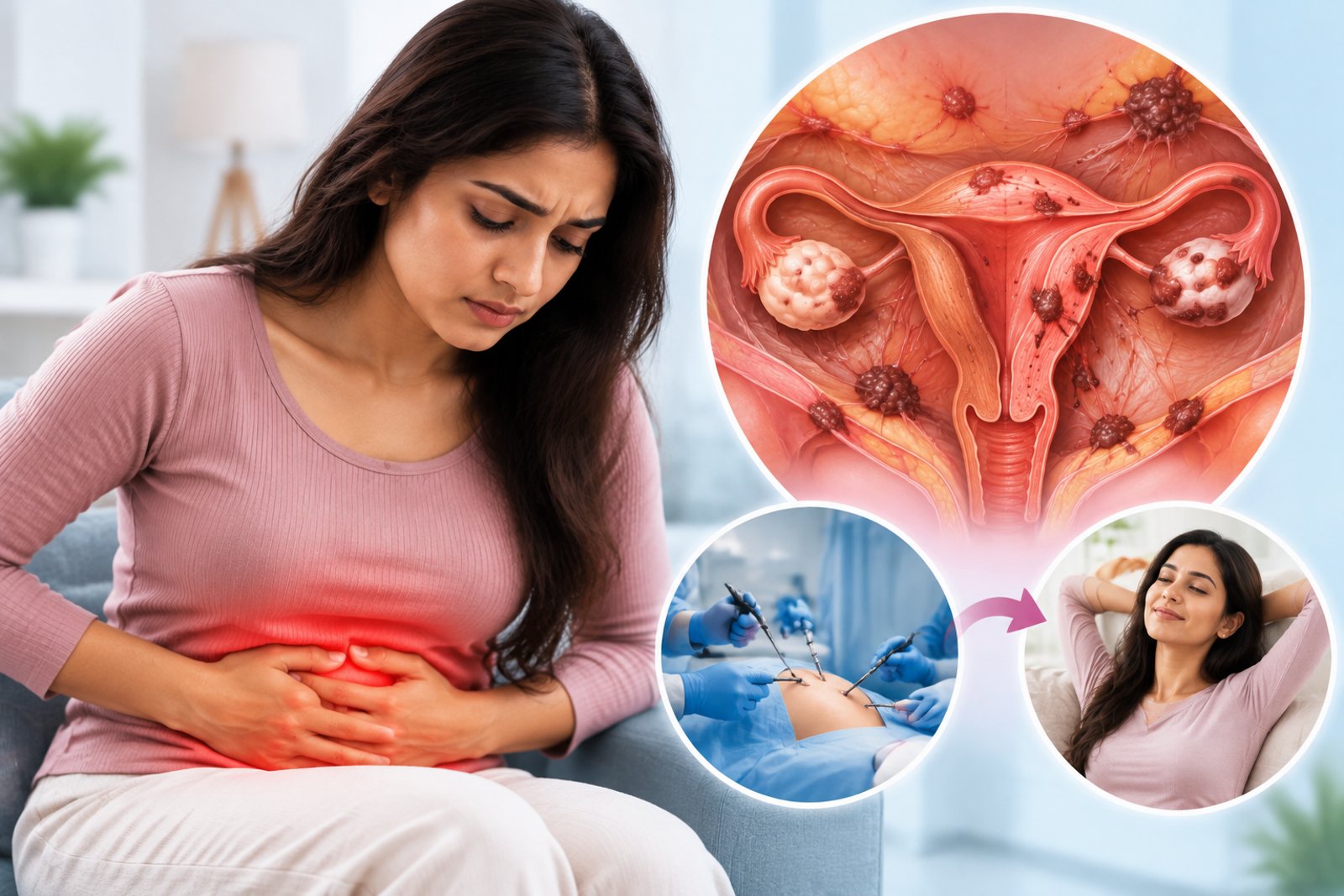
What is Endometriosis?
Endometriosis is a health condition where tissue, like the lining of the uterus, grows outside the uterus. This tissue can cause pain, heavy periods, and sometimes problems with getting pregnant. For many women, endometriosis can make daily life hard. However, treatment options, including endometriosis surgery, can help manage symptoms and improve quality of life.
When is Surgery Needed for Endometriosis?
Doctors may suggest surgery when other treatments, such as medicine or lifestyle changes, do not help enough. Sometimes, endometriosis causes severe pain or affects organs like the bladder or bowel. In these cases, surgery may be the best choice. Additionally, if endometriosis makes it hard to get pregnant, surgery could improve fertility. Your doctor will discuss the risks and benefits with you before making a plan.
Types of Endometriosis Surgery
There are different types of endometriosis surgery. The choice depends on your symptoms and health needs. Most often, doctors use minimally invasive methods. For example, laparoscopic endometriosis treatment uses small cuts and a camera to remove or destroy tissue. This method usually means less pain and faster healing. In rare cases, a larger surgery called laparotomy may be needed. Sometimes, doctors may remove the uterus (hysterectomy) if other treatments have not worked.
Preparing for Endometriosis Surgery
Before surgery, your doctor will give you instructions. For instance, you may need to stop eating or drinking for a certain time. You might also need to stop some medicines. Because preparation helps reduce risks, always follow your doctor’s advice. Bring a list of your medicines and allergies to your appointment. It is helpful to arrange for someone to drive you home after surgery.
What to Expect During the Procedure
During endometriosis surgery, you will get anesthesia, so you will not feel pain. Most surgeries last one to three hours. With laparoscopic endometriosis treatment, the doctor makes small cuts and uses special tools to remove or burn away the tissue. In contrast, open surgery uses a larger cut. After surgery, you will spend time in a recovery area while the anesthesia wears off. Nurses will check your vital signs and make sure you are comfortable.
Recovery After Endometriosis Surgery
Recovery time depends on the type of surgery. Usually, people who have laparoscopic endometriosis treatment go home the same day or the next. Open surgery may require a longer hospital stay. While you recover, you may feel tired and sore. However, most people can return to normal activities within two to six weeks. Always follow your doctor’s post-surgery care for endometriosis instructions for the best results.
Managing Pain and Side Effects
After surgery, some pain and swelling are normal. Your doctor will suggest endometriosis pain management options, such as medicine or gentle movement. Sometimes, you may notice bloating or mild bleeding. If you have a fever, heavy bleeding, or severe pain, contact your doctor right away. Because everyone heals differently, keep track of your symptoms and share them with your care team.
Tips for a Smooth Recovery
To help your body heal, take care of yourself after surgery. For example, drink plenty of water and eat healthy foods. Avoid heavy lifting or hard exercise until your doctor says it is safe. In addition, ask for help with daily tasks if you need it. Remember, recovery is different for everyone. Listen to your body and rest when you feel tired.
Preventing Recurrence and Long-Term Outlook
Even after surgery, endometriosis can sometimes return. However, regular check-ups and healthy habits may help prevent recurrence. Your doctor might suggest hormone therapy or other treatments to lower the risk. While surgery can bring relief, it is important to watch for new symptoms. With the right care, many women enjoy better health and less pain after endometriosis surgery.
Don’t let endometriosis affect your quality of life. Consult Dr. Uma Devi for the right treatment approach.