
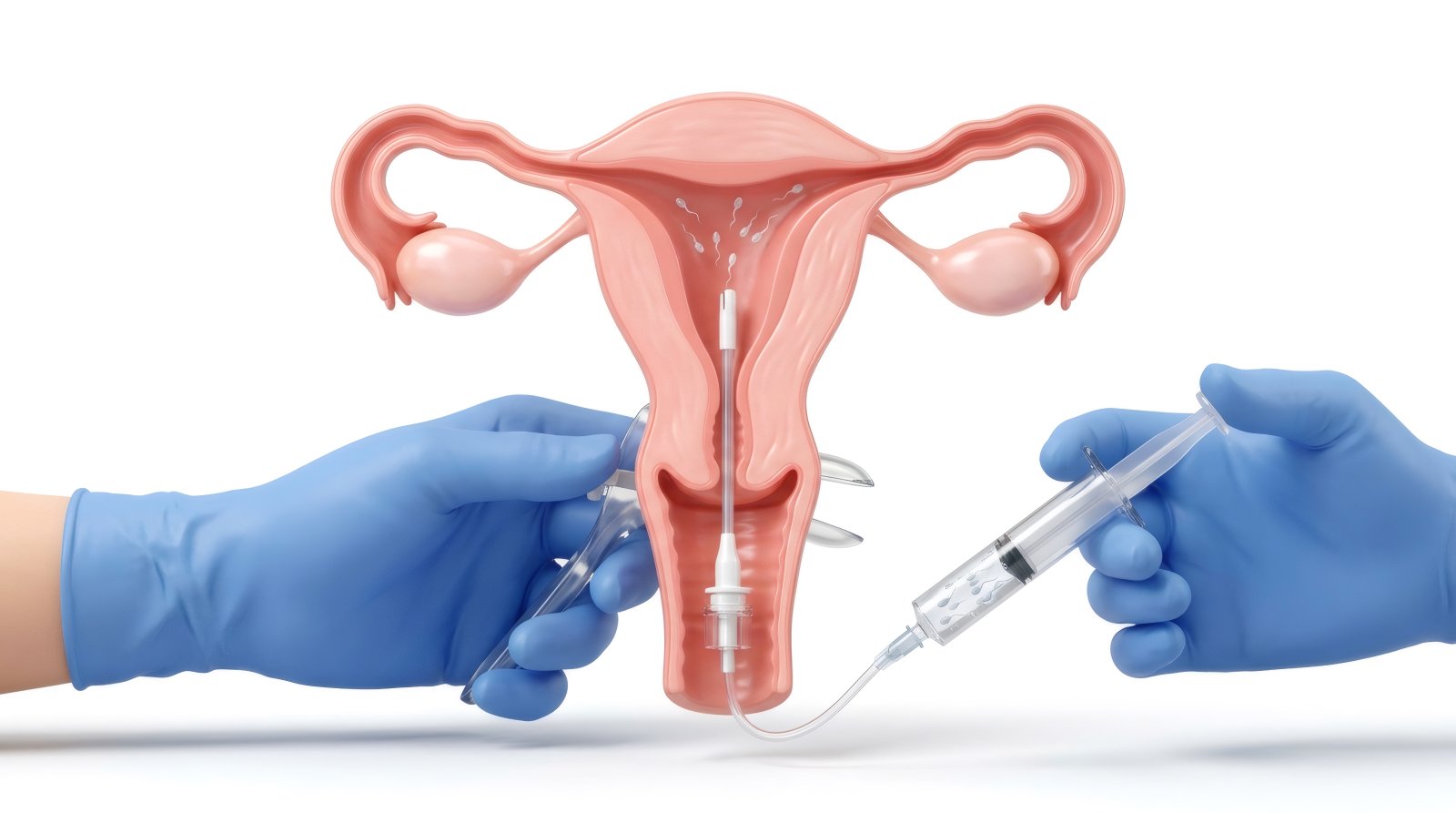
What is IUI?
The IUI procedure, or intrauterine insemination, is a simple fertility treatment. During IUI, a doctor places healthy sperm directly into the uterus. This helps the sperm get closer to the egg. As a result, it can make pregnancy more likely for some couples. Many people choose IUI because it is less invasive than other treatments. In addition, it is often more affordable than in vitro fertilization (IVF).
Who Can Benefit from IUI?
Not everyone needs the IUI procedure. However, it can help in certain situations. For example, IUI may be recommended if:
Sometimes, IUI is not suitable. For instance, women with blocked fallopian tubes or severe endometriosis may need other treatments. Always talk to a doctor to see if IUI is right for you.
How the IUI Procedure Works
Understanding how the IUI procedure works can ease worries. Here is a step-by-step guide:
After the IUI procedure, you can return to normal activities. However, some women may rest for a short time before leaving the clinic.
Preparing for IUI
Proper preparation can improve the chances of success. Before the IUI procedure, your doctor may suggest:
Additionally, it is important to follow your doctor’s instructions closely. If you have questions, ask your care team for guidance.
Success Rates and What to Expect
Many people wonder about IUI success rates. According to the CDC, the chance of pregnancy per IUI cycle is about 10% to 20%. However, age and health play a big role. For example, younger women often have higher success rates. If you try IUI several times, the chances may increase. Still, not every cycle leads to pregnancy. It is normal to feel hopeful and nervous at the same time. Your doctor can help set realistic expectations.
Risks and Side Effects
Although the IUI procedure is safe, there are some risks. Most side effects are mild. For instance, you may feel slight cramping or spotting after the procedure. Rarely, infection or multiple pregnancies can occur. If you use fertility medicines, there is a small risk of ovarian hyperstimulation. However, your doctor will monitor you closely to prevent problems. Always tell your doctor if you feel unwell after IUI.
Tips for Gentle Support During Conception
Trying to conceive can be stressful. Therefore, gentle support is important. Here are some tips to help you during the IUI journey:
Remember, you are not alone. Many people need support during this time.
Frequently Asked Questions about IUI
For more details, always consult your fertility specialist.
Consult Dr Uma Devi, a fertility specialist for personalized advice on IUI and conception support.