
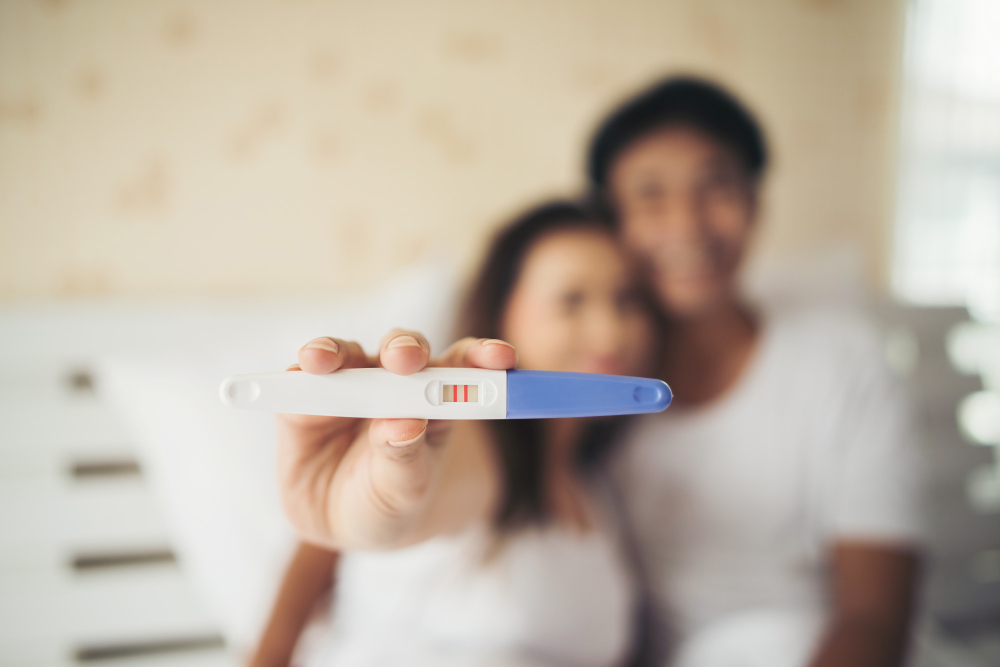
Starting a family is a big decision. For many, the journey begins with a fertility evaluation. This first step towards pregnancy helps couples understand their reproductive health. A fertility evaluation checks for any issues that might make it harder to get pregnant. Because early assessment can save time and worry, it is important to know what to expect. In this blog, we will explain the fertility assessment process, who should consider it, and how to start fertility evaluation.
What is Fertility Evaluation?
Fertility evaluation is a set of tests and questions that help doctors find out why a couple may have trouble getting pregnant. It looks at both partners. Since many factors can affect fertility, this process checks for common causes. The goal is to find answers and suggest the best next steps. According to the CDC, about 10% of women in the U.S. have trouble getting or staying pregnant. So, a fertility evaluation can be a helpful first step to getting pregnant.
Who Should Consider a Fertility Evaluation?
Not everyone needs a fertility evaluation right away. However, some people should consider it sooner. For example, you may want to start fertility evaluation if:
Because early action can make a difference, talk to your doctor if you have concerns.
Common Reasons for Fertility Issues
Many things can cause fertility problems. Some are simple to fix, while others need more care. For instance, common reasons include:
Because each couple is unique, the fertility assessment process looks at all possible causes.
Steps Involved in Fertility Evaluation
The fertility evaluation process usually follows a few key steps. First, your doctor will ask about your medical history. Next, both partners may have a physical exam. After that, you may need some basic tests. These steps help doctors find out what might be causing trouble. Here is a simple outline:
Because every couple is different, your doctor may adjust these steps for your needs.
Diagnostic Tests and Procedures
Several tests help doctors check fertility. For women, common tests include:
For men, tests often include:
Sometimes, more advanced tests are needed. However, most couples start with these basic checks. The fertility testing for couples is safe and usually not painful.
What to Expect During Your First Visit
Your first fertility evaluation visit is mostly about gathering information. First, your doctor will ask about your health, lifestyle, and family history. Then, you may have a physical exam. Sometimes, basic blood tests or an ultrasound are done on the same day. Because this visit is just the beginning, you may not get answers right away. However, it is an important first step to getting pregnant.
Tips for Preparing for Fertility Evaluation
Preparing for your fertility assessment can help you feel more at ease. Here are some tips:
Because preparation can make the process smoother, take time to get ready.
When to Seek Help from a Specialist
Sometimes, couples need extra help. If you have tried to get pregnant for a year (or six months if over 35), it is time to see a fertility specialist. Also, if you have known health issues or past miscarriages, seek help sooner. Early support can improve your chances of success. According to the World Health Organization, early evaluation can lead to better outcomes for many couples.
Frequently Asked Questions
In summary, fertility evaluation is the first step towards pregnancy for many couples. Because early action can make a difference, do not wait to seek help if you have concerns. Consult a fertility specialist Dr. Uma Devi for personalized guidance on your journey to pregnancy.